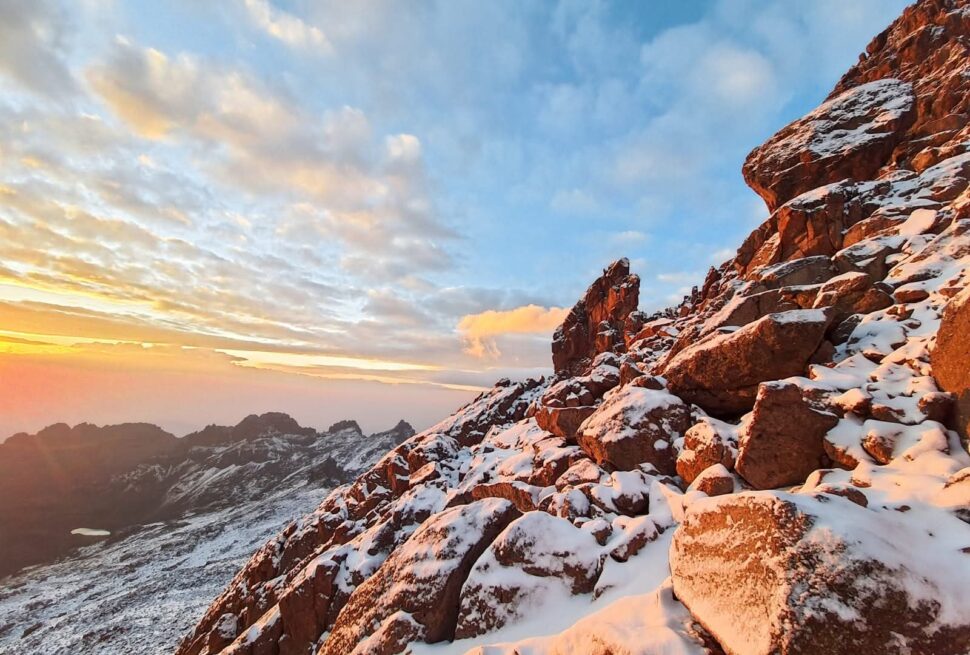
Mount Kenya is one of Africa’s most spectacular mountain destinations, offering dramatic peaks, alpine lakes, rugged valleys, giant lobelias, and breathtaking views above the clouds. Standing at 5,199 metres (17,057 feet), Batian is the highest peak, while Point Lenana, at 4,985 metres (16,355 feet), is the most popular trekking summit for hikers without technical climbing experience.
Climbing Mount Kenya is an unforgettable adventure, whether you are a first-time high-altitude trekker, an experienced hiker, or a mountaineer seeking a more challenging ascent. Choosing the right route, allowing enough time for acclimatisation, preparing physically, and travelling during favourable weather can make a significant difference to your experience.
This guide covers Mount Kenya’s main climbing routes, estimated costs, the best time to climb, preparation, essential equipment, altitude sickness, and practical tips for reaching Point Lenana successfully.
1. Where Is Mount Kenya?
Mount Kenya is located in central Kenya, approximately 150–200 kilometres north of Nairobi, depending on the approach and starting point. It lies within Mount Kenya National Park, a UNESCO World Heritage Site recognised for its extraordinary mountain scenery, biodiversity, glaciers, and distinctive high-altitude ecosystems.
The mountain has several major peaks, including:
- Batian (5,199 m): The highest summit, requiring technical rock-climbing skills and mountaineering equipment.
- Nelion (5,188 m): A technical climbing peak with challenging rock and ice sections.
- Point Lenana (4,985 m): The main trekking summit, accessible to fit hikers using established trekking routes in suitable conditions.
Most trekking visitors aim for Point Lenana rather than Batian or Nelion. Although Point Lenana does not normally require technical rock climbing, reaching it is physically demanding because of the altitude, steep terrain, cold temperatures, and long summit day.
2. Mount Kenya Climbing Routes Compared
Mount Kenya has several trekking routes, each offering different scenery, difficulty levels, accommodation options, and acclimatisation opportunities. The best route depends on your fitness, available time, budget, and preferred mountain experience.
Sirimon Route
The Sirimon Route approaches Mount Kenya from the northwestern side and is widely regarded as one of the gentler approaches for trekking to Point Lenana.
Highlights:
- Gradual ascent through montane forest and open moorland.
- Scenic views of the northern mountain slopes.
- Access to Old Moses, Shipton’s Camp, and the summit approach.
- A useful option for trekkers seeking a relatively gradual ascent.
The standard approach passes through Old Moses Camp and continues towards Shipton’s Camp before the summit attempt. Spending additional time on the mountain can improve acclimatisation and make the trek more comfortable.
Best for: Hikers who prefer a gradual approach, scenic moorland, and a straightforward trekking itinerary.
Chogoria Route
The Chogoria Route approaches the mountain from the eastern side and is famous for its dramatic landscapes. Many hikers consider it the most scenic Mount Kenya trekking route.
Highlights:
- Lake Ellis and the spectacular Gorges Valley.
- Views of Lake Michaelson and surrounding cliffs.
- Waterfalls, rugged valleys, and impressive alpine scenery.
- A more remote atmosphere on some sections of the approach.
The route can involve longer walking days and more complicated transport logistics. Weather and trail conditions may also make some sections challenging.
Best for: Trekkers who value scenery, photography, and a more adventurous mountain experience.
Naro Moru Route
The Naro Moru Route approaches the mountain from the western side. It is one of the more direct approaches to Point Lenana and is known for the steep section called the Vertical Bog.
Highlights:
- A relatively direct approach to the mountain’s upper slopes.
- Access to the Met Station and Mackinder’s Camp.
- A popular choice for shorter trekking itineraries.
- A challenging final ascent through rocky alpine terrain.
Although the route can be completed in fewer days than some alternatives, a faster itinerary may provide less time for acclimatisation. The shortest option is not necessarily the best option for summit success.
Best for: Fit hikers with limited time who are comfortable with steep terrain and a demanding ascent.
Other Mount Kenya Trekking Options
Other approaches and itinerary combinations include Burguret, Timau, and multi-route traverses combining Chogoria, Sirimon, or Naro Moru. Availability, access conditions, and logistical requirements vary.
A traverse that ascends one side and descends another can provide more varied scenery than returning by the same trail.
Which Mount Kenya Route Is Best?
| Route | Main advantage | Main consideration |
|---|---|---|
| Sirimon | Relatively gradual approach | Upper mountain remains demanding |
| Chogoria | Exceptional scenery | More complex logistics |
| Naro Moru | Direct approach and shorter options | Steep sections and limited acclimatisation on short itineraries |
| Multi-route traverse | Varied landscapes | Requires additional planning |
For many trekkers, a five- or six-day itinerary provides a good balance between scenery, walking time, and acclimatisation. Shorter treks are possible, but should be selected carefully based on fitness and previous experience at altitude.
3. How Much Does It Cost to Climb Mount Kenya?
The cost of climbing Mount Kenya varies according to the route, number of days, group size, season, accommodation, transport arrangements, and level of support.
As a general planning estimate, guided trekking packages may range from approximately US$450 to US$1,200 or more per person. Shorter itineraries and larger groups may cost less per person, while longer treks, private departures, and more comprehensive services may cost more.
These are indicative estimates rather than confirmed current quotations. Park fees and other charges should always be checked for the dates and visitor category concerned.
Main Factors Affecting the Cost
1. Number of trekking days
A three- or four-day trek generally costs less than a five- or six-day itinerary because it involves fewer days of guiding, food, porter support, and accommodation.
2. Route selection
Different trailheads have different transport requirements. A Chogoria-to-Sirimon traverse, for example, may involve more complicated transfers than an ascent and descent using the same route.
3. Group size
Joining a group can reduce the cost per person by sharing guide services, transport, and other operating expenses. Private treks offer more flexibility but usually cost more per person.
4. Park and conservation fees
Park entry, camping or hut charges, conservation-related fees, and applicable taxes can form a substantial part of the total price. Rates depend on the visitor category and current park regulations.
5. Equipment and accommodation
Sleeping bags, personal trekking equipment, extra nights near the mountain, and hotel accommodation before or after the trek may be additional expenses.
6. Guide and porter arrangements
The number of crew members, their responsibilities, food provisions, transport, and fair compensation all affect the final price.
What Should a Mount Kenya Trekking Package Include?
Before booking, confirm whether the quotation includes:
- Mount Kenya National Park fees and applicable camping or hut charges.
- Professional mountain guides and porter support.
- Meals and drinking water arrangements during the trek.
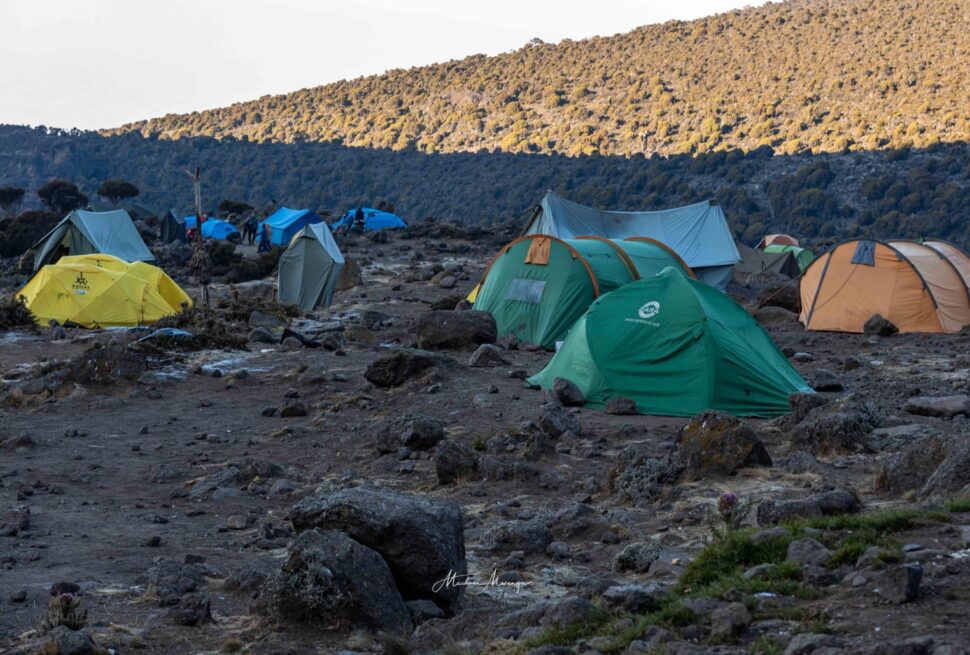
- Camping equipment or mountain hut accommodation.
- Transport to and from the trekking gates.
- Rescue arrangements and emergency procedures.
- Accommodation before or after the trek, if required.
Tips, personal equipment, travel insurance, evacuation cover, and optional hotel stays may be excluded. Always review the inclusions and exclusions carefully before making a deposit.
4. Best Time to Climb Mount Kenya
Mount Kenya can be climbed throughout the year, but weather conditions vary considerably. The generally drier periods are often preferred because trails may be less muddy, visibility can be better, and summit conditions may be more favourable.
January to March
This is generally one of the better periods for trekking, particularly during settled weather.
Advantages:
- Often favourable conditions for walking.
- Good opportunities for mountain views.
- Potentially drier trails on many sections.
Cloud, wind, rain, and cold summit conditions can still occur, so proper preparation remains essential.
June to October
This period is also popular for climbing Mount Kenya, although conditions vary between months and across different sides of the mountain.
Advantages:
- Often suitable for longer trekking itineraries.
- Opportunities to explore alpine valleys and high-altitude landscapes.
- Good conditions may occur during settled weather windows.
July and August can be cold, especially overnight and around the summit.
April, May, and November
These months can experience wetter conditions, although rainfall is not guaranteed on every trekking day.
Possible challenges:
- Muddy or slippery trails.
- Reduced visibility.
- Wet clothing and colder conditions.
- More demanding river crossings or trail sections where rainfall affects access.
Treks can still be undertaken during wetter periods, but flexibility and suitable waterproof clothing are important.
What Is the Best Month to Climb Mount Kenya?
January, February, September, and October are often considered useful months to investigate when planning a trek. However, actual conditions differ from year to year, and no month guarantees clear skies or safe summit weather.
Choose dates that allow enough time for acclimatisation, and check the latest weather and park access information before departure.
5. How Difficult Is Mount Kenya?
Mount Kenya is a challenging high-altitude trek. Reaching Point Lenana does not normally require technical climbing, but it demands good endurance, preparation, and the ability to walk for several hours over steep, rocky terrain.
The main difficulties include:
- Altitude: Lower oxygen availability can cause headaches, nausea, dizziness, and breathlessness.
- Long walking days: Some trekking days involve several hours of continuous uphill walking.
- Cold temperatures: Nights and early mornings can be freezing, especially near the summit.
- Rough terrain: Loose rock, scree, steep trails, and uneven ground require balance and concentration.
- Summit fatigue: The final ascent often begins before dawn, when temperatures are lowest.
Can a Beginner Climb Mount Kenya?
Yes. A beginner with good general fitness can attempt Point Lenana, provided they prepare properly and choose a suitable itinerary.
Previous mountaineering experience is helpful but not essential for the normal trekking routes. Build up your walking endurance, practise on hills, carry a loaded daypack, and choose an itinerary that allows time to acclimatise.
The technical peaks of Batian and Nelion are different: they require appropriate climbing experience, technical equipment, and qualified specialist support.
6. How to Prepare for Mount Kenya
Start preparing at least six to eight weeks before your trek, or earlier if you are new to hiking.
Cardiovascular Training
Aim for three to four aerobic sessions per week. Suitable activities include brisk walking, jogging, cycling, swimming, and stair climbing.
Gradually increase the duration of your sessions to improve endurance.
Hill Walking
Practise walking uphill and downhill on varied terrain. If possible, complete regular hikes lasting several hours while wearing the boots and daypack you intend to use on the mountain.
Strength Training
Focus on the legs, hips, core, and stability. Useful exercises include:
- Squats and step-ups.
- Lunges.
- Calf raises.
- Planks and other core exercises.
- Controlled downhill walking to prepare the legs for descents.
Practise With Your Equipment
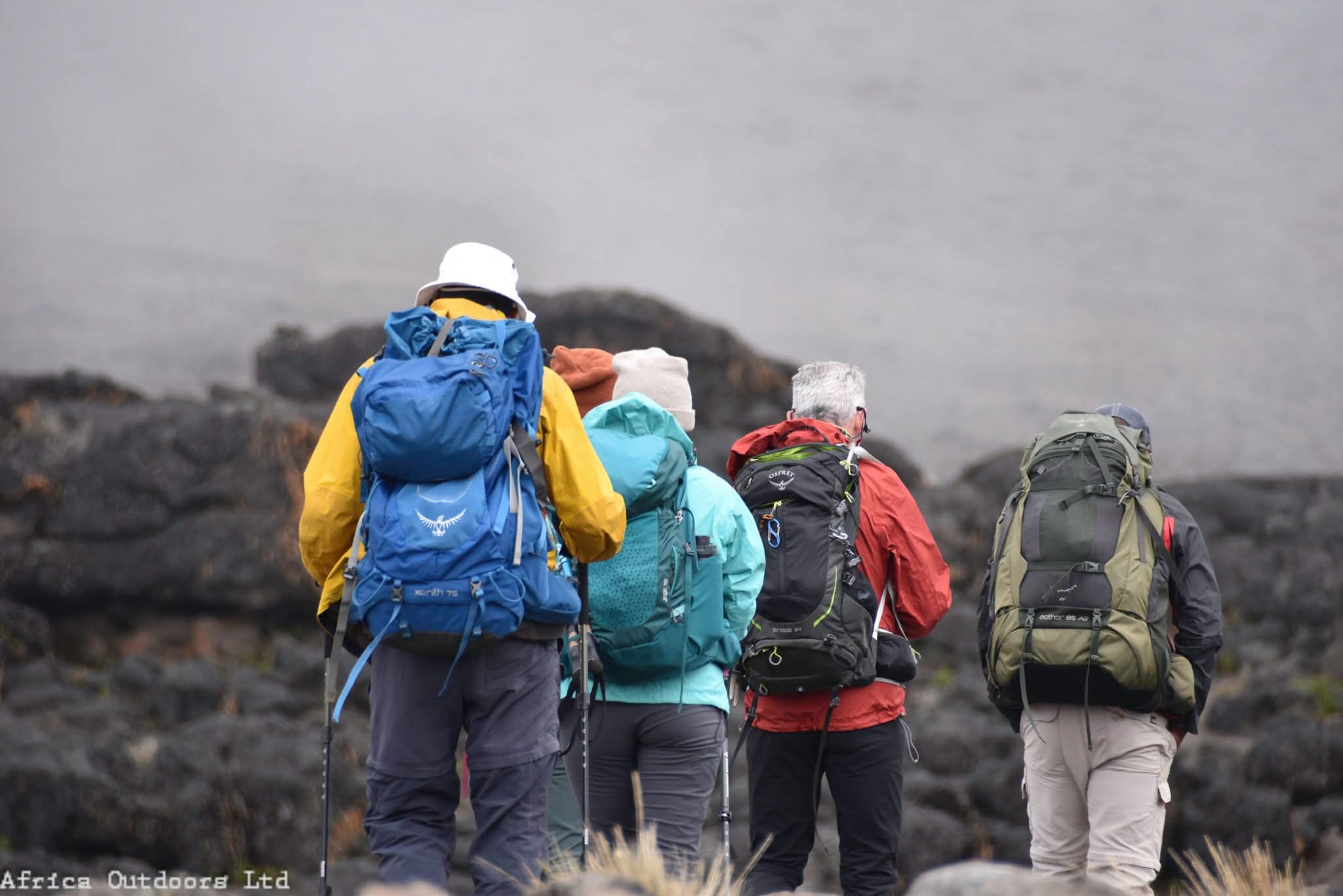
Break in your hiking boots before the trek. Test your waterproof jacket, warm layers, gloves, headlamp, and backpack on practice hikes.
Training should become progressively harder rather than suddenly increasing in intensity during the final week.
7. Altitude Sickness on Mount Kenya
Altitude sickness is one of the main risks when climbing Mount Kenya. It can affect anyone, regardless of age or fitness, and symptoms may develop when ascending too quickly.
Common symptoms include:
- Headache.
- Nausea or vomiting.
- Dizziness.
- Unusual tiredness.
- Loss of appetite.
- Difficulty sleeping.
How to Reduce the Risk
Ascend gradually. Allow enough time to acclimatise instead of rushing to higher camps.
Walk slowly. A steady pace helps conserve energy and makes it easier to recognise changes in how you feel.
Drink regularly and eat enough. Maintain normal hydration and energy intake throughout the trek.
Tell your guide about symptoms. Do not hide a headache, nausea, or unusual weakness to avoid delaying the group.
Descend if symptoms worsen. Worsening altitude illness requires prompt assessment and descent when indicated.
Confusion, difficulty walking straight, breathlessness at rest, or a worsening cough are danger signs requiring urgent emergency action and descent. Never continue towards the summit when serious altitude illness is suspected.
Good physical fitness does not prevent altitude sickness. If you have medical concerns, consult a qualified healthcare professional before travelling to high altitude.
8. What to Pack for Mount Kenya
Temperatures can change dramatically between the forest, moorland, alpine zone, and summit. The key is to carry layers that keep you warm while allowing you to manage sweat during uphill walking.
Essential Clothing
- Moisture-wicking base layers.
- Fleece or insulated mid-layer.
- Warm down or synthetic insulated jacket.
- Waterproof and windproof jacket.
- Waterproof trousers.
- Trekking trousers.
- Warm hat and sun hat.
- Insulated gloves and lighter trekking gloves.
- Several pairs of hiking socks.
- Broken-in hiking boots.
Essential Equipment
- Comfortable daypack.
- Headlamp with spare batteries.
- Reusable water bottles or hydration system.
- Sunglasses and high-SPF sunscreen.
- Trekking poles.
- Personal medication and a small first-aid kit.
- Toiletries and personal hygiene supplies.
- Sleeping bag suitable for expected sub-zero temperatures if camping or using accommodation that requires one.
- Waterproof bags for protecting clothing and electronics.
A guide or trip organiser can advise on additional equipment, including sleeping mats, tents, and the availability of mountain huts. Avoid carrying unnecessary weight, but do not compromise on warm clothing or waterproof protection.
9. What Happens on Summit Day?
The summit attempt for Point Lenana usually begins well before sunrise. Depending on the route, camp location, weather, and walking pace, the ascent can take several hours.
A typical summit morning involves:
- Waking during the night and having a light meal or hot drink.
- Putting on warm layers, gloves, a headlamp, and suitable footwear.
- Walking steadily with regular checks on the group’s condition.
- Reaching Point Lenana around sunrise if conditions and pace allow.
- Taking photographs and enjoying the views when it is safe.
- Descending carefully to a lower camp or continuing according to the itinerary.
The summit can be extremely cold and windy. Do not stay exposed for too long, and follow your guide’s instructions if weather conditions deteriorate.
Reaching the summit is not worth risking your health. A safe turnaround or descent is the correct decision whenever conditions require it.
10. Tips for Reaching Point Lenana Successfully
Choose enough trekking days. More time generally gives you a better opportunity to acclimatise and enjoy the mountain.
Start slowly. Walking at a comfortable pace from the beginning helps preserve energy for higher elevations.
Sleep well where possible. Rest and recovery are important during a demanding trek.
Eat even when your appetite is reduced. Regular meals and snacks help maintain energy levels.
Keep your hands and feet warm. Cold extremities can make the summit experience uncomfortable and potentially dangerous.
Carry enough water. Follow your guide’s advice on water sources and treatment, and make sure you can drink regularly.
Protect yourself from the sun. Ultraviolet exposure increases at altitude, even when temperatures are low.
Follow your guide’s safety instructions. Weather, altitude, trail conditions, and the condition of individual hikers should determine the pace and summit decision.
Pack for changing weather. Clear conditions at camp do not guarantee clear conditions at the summit.
Enjoy the journey. The alpine lakes, giant groundsel plants, rocky ridges, and changing vegetation are part of the experience, not simply the route to the summit.
11. Is a Guide Necessary on Mount Kenya?
A qualified guide can help with route finding, pacing, local conditions, camp logistics, and recognising possible altitude-related problems. Guided support is especially valuable for people who are unfamiliar with the mountain or high-altitude trekking.
Before departure, confirm the current park requirements regarding guides, registration, accommodation, and permitted access. Make sure the people supporting your trek understand emergency procedures and have a practical communication plan.
Independent trekkers should not assume that familiarity with ordinary hiking is enough to manage the risks of a remote high-altitude environment.
12. Frequently Asked Questions
How many days do you need to climb Mount Kenya?
Many trekkers choose four to six days, depending on the route and acclimatisation plan. Longer itineraries allow more time to explore the mountain and can provide a more gradual ascent.
What is the highest point hikers can reach without technical climbing?
Point Lenana, at 4,985 metres, is the main trekking summit. Batian and Nelion require technical climbing skills and specialised equipment.
Is Mount Kenya harder than Kilimanjaro?
Both mountains are challenging, but the experience differs by route and itinerary. Mount Kenya has rugged terrain, steep summit approaches, and more technical-looking alpine sections on some routes. Kilimanjaro is higher, at 5,895 metres, making altitude a major challenge. Neither mountain is automatically easier for every trekker.
Is Mount Kenya safe for first-time hikers?
It can be suitable for beginners who prepare properly, choose an appropriate itinerary, follow safety guidance, and allow enough time for acclimatisation. However, high altitude, cold weather, and difficult terrain mean that it should not be treated as an ordinary day hike.
Do you need camping experience?
Not necessarily. Some routes use mountain huts, while others involve camping. You should understand the accommodation arrangements in advance and be prepared for basic facilities and cold nights.
What should you do if you cannot reach Point Lenana?
Tell your guide how you are feeling and follow the safety plan. Continuing to climb despite worsening symptoms or dangerous weather is not advisable. Reaching a lower elevation safely is more important than reaching the summit.
Conclusion
Climbing Mount Kenya is an extraordinary way to experience Kenya’s high-altitude wilderness. From the scenic valleys of Chogoria to the gradual approach of Sirimon and the direct ascent of Naro Moru, each route offers a different experience.
For the best chance of enjoying your trek, choose a suitable route, prepare physically, pack for cold and wet conditions, and allow enough time for acclimatisation. Understand the costs and inclusions before booking, and treat altitude safety as a priority throughout the journey.
With realistic preparation and a flexible approach, the trek to Point Lenana can become one of the most memorable mountain adventures in Africa.
For accurate planning, confirm current park fees and access rules directly with the Kenya Wildlife Service using its official Mount Kenya National Park page.
Kenya Wildlife Service
+1