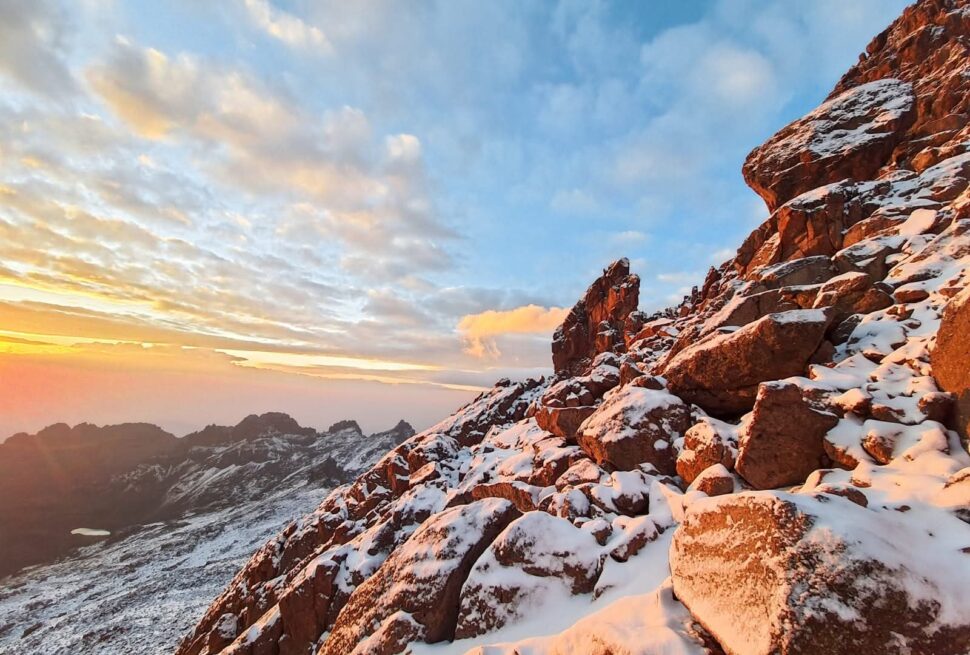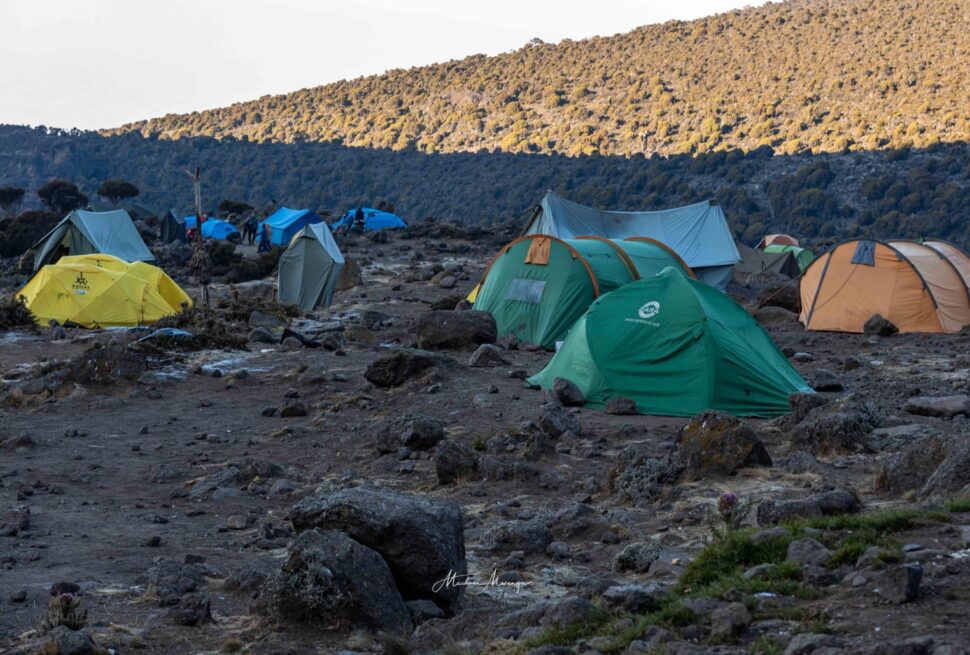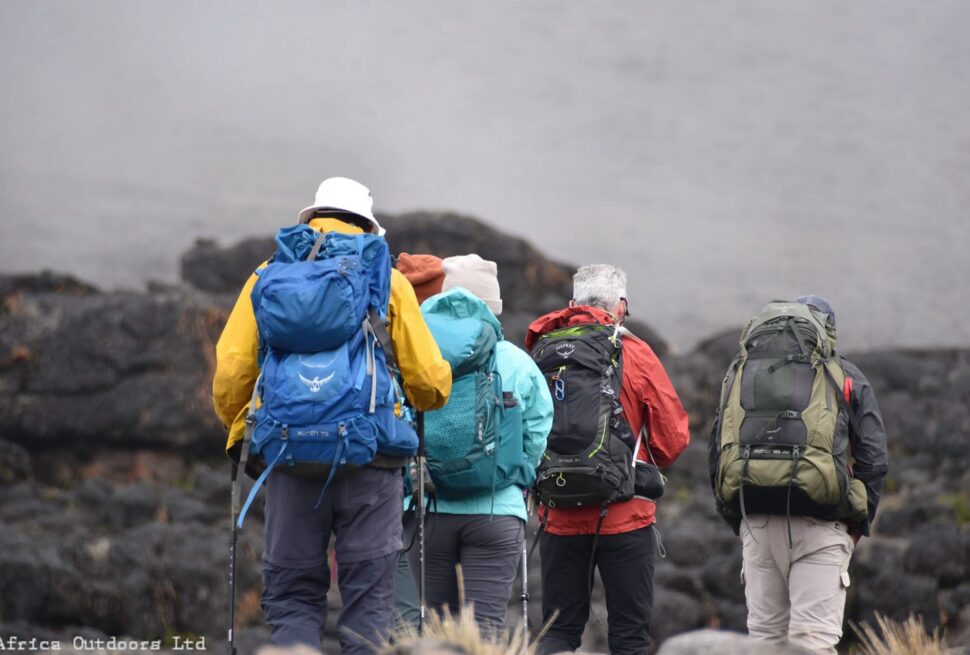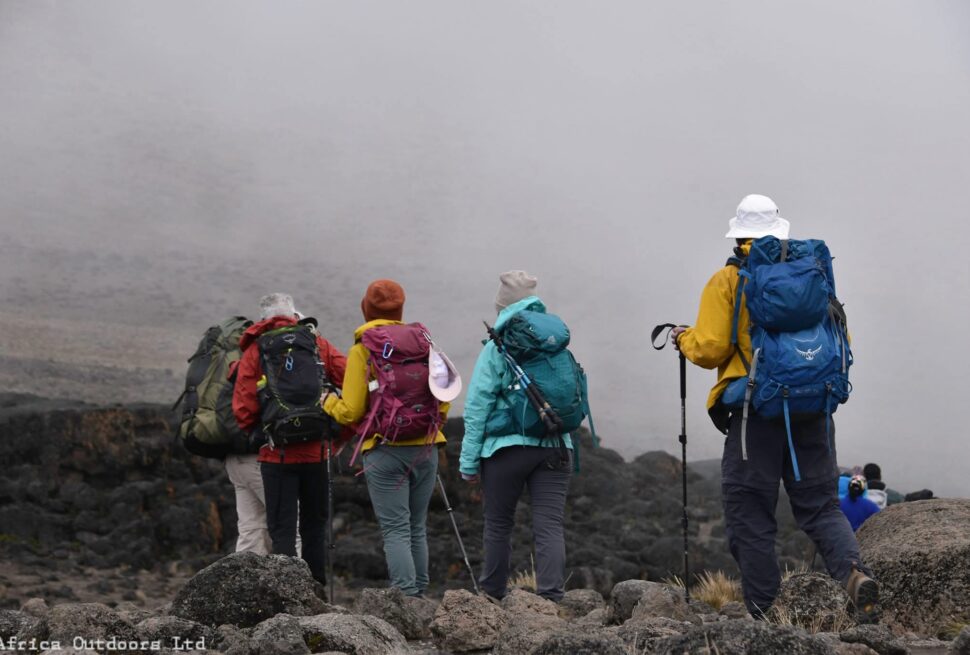
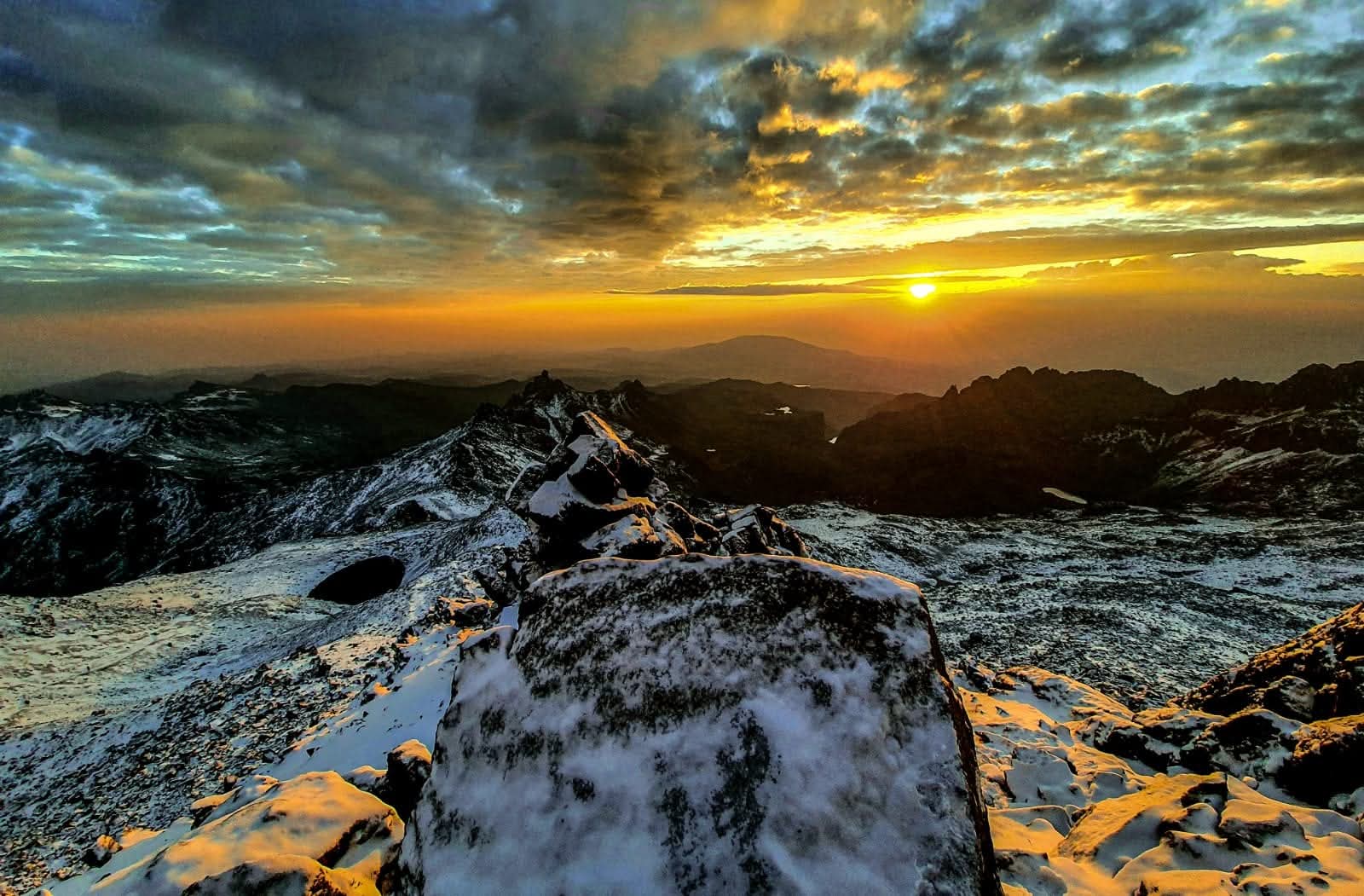
Mount Kenya is one of Africa’s most spectacular trekking destinations, offering dramatic mountain scenery, alpine lakes, glaciers, moorlands, and the opportunity to reach Point Lenana at 4,985 metres (16,355 feet). Choosing the right time to climb Mount Kenya can make a significant difference to your experience, especially when it comes to rainfall, trail conditions, visibility, and summit success.
The mountain can be climbed throughout the year, but January to March and July to October are generally the best periods for trekking, with conditions varying according to the route, altitude, and local weather.
1. Best months to climb Mount Kenya
The weather on Mount Kenya is influenced by two main dry seasons and two rainy seasons. However, conditions at high altitude can change quickly, even during the driest months.
January – March
Excellent trekking season
Generally drier weather, clearer mornings, and good opportunities for mountain views. January and February are particularly popular, while March can become wetter toward the end of the month.
April – June
Long rainy season
Rain, mist, muddy paths, and reduced visibility are more likely, particularly in April and May. June can bring improving conditions, but the mountain may remain wet and cold.
July – October
Good trekking season
A popular period for climbing, especially from August through September. July can be colder and cloudier, while September and October often offer good trekking conditions before the short rains become established.
November – December
Short rainy season
Showers and cloud cover are more likely, particularly in November and early December. There can still be clear weather windows, so climbs remain possible with flexible planning and suitable equipment.
2. Mount Kenya weather month by month
| Month | Typical conditions | Trekking outlook |
|---|---|---|
| January | Mostly dry, clearer skies | Excellent |
| February | Dry, good visibility | Excellent |
| March | Increasing rainfall later in the month | Good early; variable later |
| April | Heavy rain, muddy trails | Challenging |
| May | Wet, misty conditions | Challenging |
| June | Transition toward drier weather | Improving |
| July | Cold, often dry | Very good |
| August | Dry, crisp mornings | Excellent |
| September | Generally dry, good visibility | Excellent |
| October | Often good, but showers may develop | Good, variable late |
| November | Short rains, cloud and showers | Variable |
| December | Mixed conditions, often improving later | Possible, weather-dependent |
These are general seasonal patterns, not guaranteed forecasts. Conditions can vary significantly between the northern, eastern, and western slopes of Mount Kenya.
3. What is the weather like on Mount Kenya?
Mount Kenya has several climate zones because of its elevation. You may experience warm sunshine, rain, strong winds, and freezing temperatures during the same trek.
- Lower forest zone (2,000–3,000 m): Often cool, humid, and occasionally rainy.
- Moorland zone (3,000–4,000 m): Cooler temperatures, open landscapes, and rapidly changing cloud cover.
- High-altitude zone (4,000–5,000 m): Cold, windy conditions, frost, and possible ice or snow.
At higher camps, temperatures can fall below freezing, especially overnight and before sunrise. Wind can make conditions feel significantly colder.
4. Which month is best for each Mount Kenya route?
Sirimon Route
January–February and July–September are excellent choices. The northern approach is comparatively sheltered from rainfall and features open moorland and gradual acclimatisation opportunities.

Add to Favorites
Chogoria Route
January–February and August–September are generally good periods. This route is famous for Lake Michaelson, dramatic valleys, waterfalls, and spectacular scenery, but wet weather can make trails slippery.

Add to Favorites
Naro Moru Route
January–February and July–September are generally preferable. The route’s notorious Vertical Bog can become particularly difficult during prolonged rainfall.
For most trekkers aiming for Point Lenana, choosing a dry-season window and allowing enough time for acclimatisation is more important than selecting a particular route solely for its weather.
5. Is it possible to climb Mount Kenya during the rainy season?
Yes. Mount Kenya can be climbed during rainy periods, but the experience may be more demanding.
Common challenges include:
- Muddy and slippery trails.
- Poor visibility and cloud-covered summit views.
- Wet clothing and equipment.
- Colder conditions when rain combines with wind.
- More difficult stream crossings and slower walking.
If you must climb during the rainy season, use a flexible itinerary, carry reliable waterproof clothing, and follow guidance from experienced mountain guides. The Sirimon approach may be worth considering because the northern slopes are generally more sheltered than the eastern side.
6. What should you pack for Mount Kenya weather?
Regardless of the month, prepare for both sunshine and freezing conditions.
Mount Kenya packing checklist
0 of 10
Waterproof hiking jacket and rain trousers
Thermal base layers
Fleece or warm mid-layer
Insulated down or synthetic jacket
Warm hat, gloves and spare socks
Waterproof, broken-in hiking boots
Headlamp for the early summit start
Sunglasses, sunscreen and sun hat
Waterproof backpack cover or dry bags
Warm sleeping bag suitable for sub-zero temperatures
Copy checklist
7. Frequently asked questions
What is the absolute best month to climb Mount Kenya?
February and September are excellent choices for many Point Lenana trekkers. February falls within the first dry season, while September is typically within the second.
Is July a good month to climb Mount Kenya?
Yes. July is a good trekking month, although nights and summit mornings can be extremely cold.
Is December suitable for climbing Mount Kenya?
Yes, climbs are possible in December, but conditions can be unpredictable during the short rains. Check the forecast and plan for wet weather.
When is Mount Kenya busiest?
The main dry-season periods, particularly January–February and August–September, are popular. Booking accommodation and organising guides in advance is sensible.
Can beginners climb Mount Kenya?
Yes. Beginners can aim for Point Lenana with appropriate fitness, a suitable itinerary, gradual acclimatisation, and experienced guides. A four- to six-day itinerary is generally preferable to a rushed ascent.
Conclusion: When should you plan your climb?
For the best balance of weather, trail conditions, and summit visibility, plan your Mount Kenya trek for January–February or August–September. July and October can also be good options, depending on the weather.
Allow enough days to acclimatise, prepare for freezing temperatures at altitude, and remember that even during the dry season, mountain weather can change rapidly.
Ready to plan your climb? Explore the Mount Kenya trekking options and choose a route and itinerary that suit your fitness, schedule, and preferred scenery.