Mount Kilimanjaro
Mount Kilimanjaro is Africa’s highest mountain and one of the world’s most famous trekking destinations. Located in northern Tanzania near the Kenyan border, Kilimanjaro rises to 5,895 metres (19,341 feet) above sea level at Uhuru Peak.
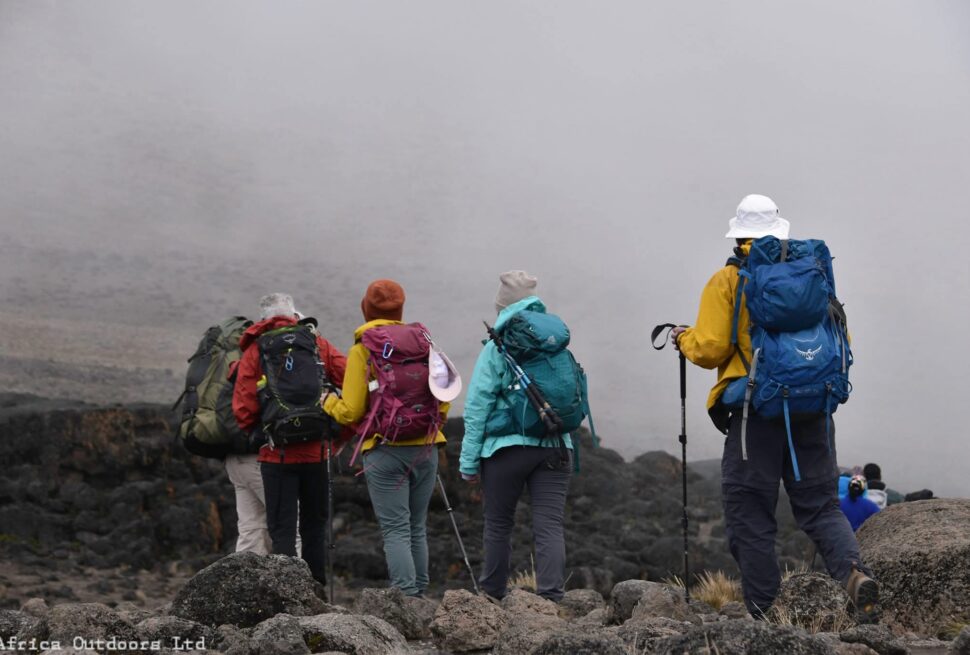
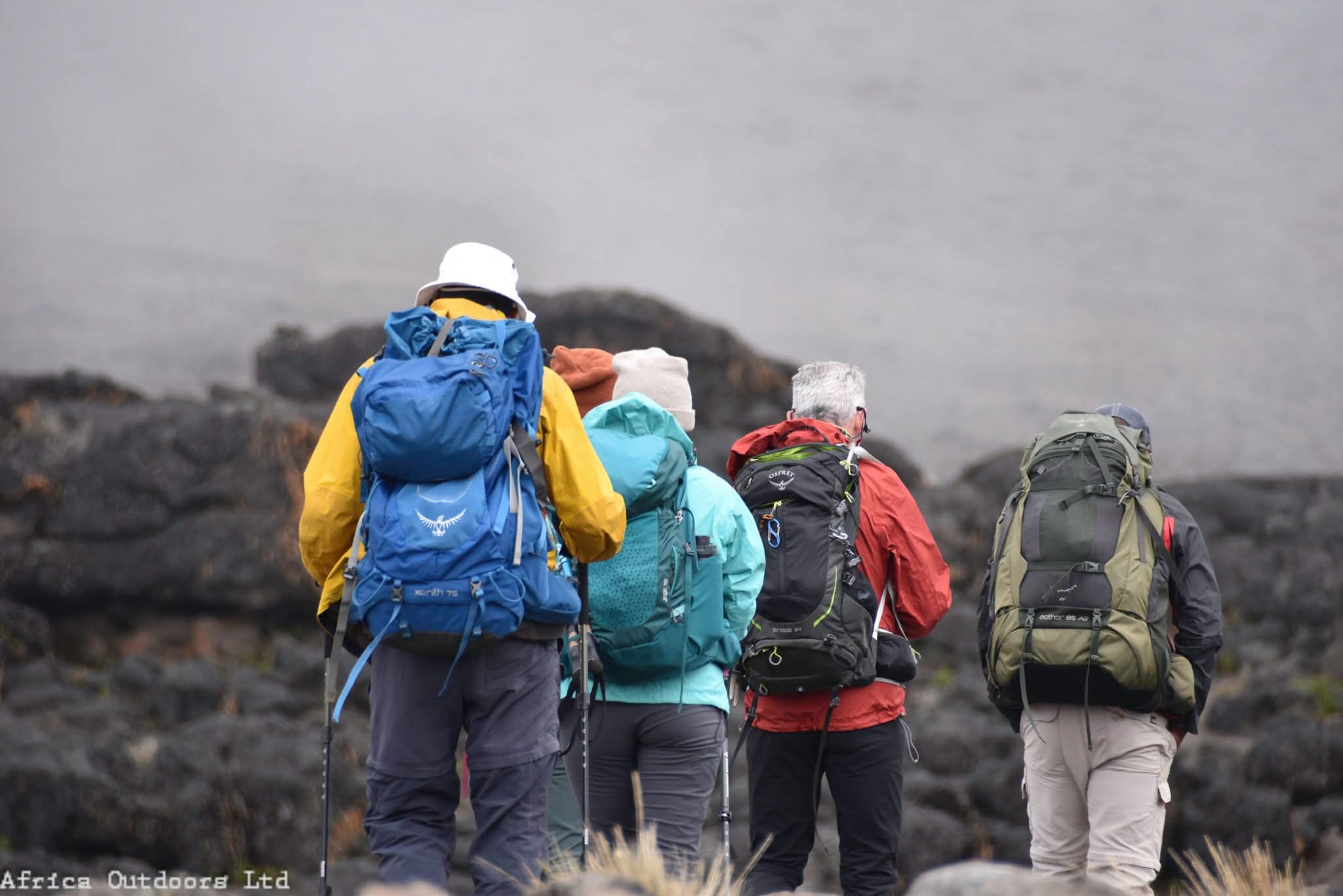
Unlike many high mountains, Kilimanjaro can be climbed without technical mountaineering equipment on the standard trekking routes. The main challenge is altitude, so good acclimatization, a suitable itinerary, hydration, pacing and experienced guides are important.
🏔️ Key Facts
| Feature | Information |
|---|---|
| Location | Northern Tanzania |
| Highest point | Uhuru Peak |
| Elevation | 5,895 m / 19,341 ft |
| Mountain type | Volcanic massif |
| Main summit | Kibo |
| Highest point on Kibo | Uhuru Peak |
| Trekking difficulty | Moderate to challenging |
| Technical climbing | Not normally required on standard routes |
| Typical trek length | 5–9 days |
| Starting point | Varies by route |
| Main challenge | High altitude |
🥾 Main Kilimanjaro Routes
1. Lemosho Route
Usually 7–8 days. It starts on the western side of the mountain and provides a longer approach with good opportunities for acclimatization.
2. Machame Route
Usually 6–7 days. Known as the “Whiskey Route,” it has varied scenery and involves several ups and downs before reaching the summit.
3. Northern Circuit
Usually 8–9 days. It takes a longer route around the northern side of Kilimanjaro and provides more time for acclimatization.
4. Rongai Route
Usually 6–7 days. It approaches Kilimanjaro from the northeastern side near the Kenya border.
5. Marangu Route
Usually 5–6 days. It is the only major route where trekkers sleep in mountain huts rather than tents.
6. Umbwe Route
A shorter, steeper route that is generally better suited to experienced trekkers because of its rapid altitude gain.
🌄 What You Experience
A Kilimanjaro trek passes through several ecological zones:
- Cultivated/Farmland Zone
- Rainforest
- Heath and Moorland
- Alpine Desert
- Arctic/Summit Zone
The scenery changes dramatically as you climb from tropical forest to a cold, high-altitude summit environment.
🌅 Summit Day
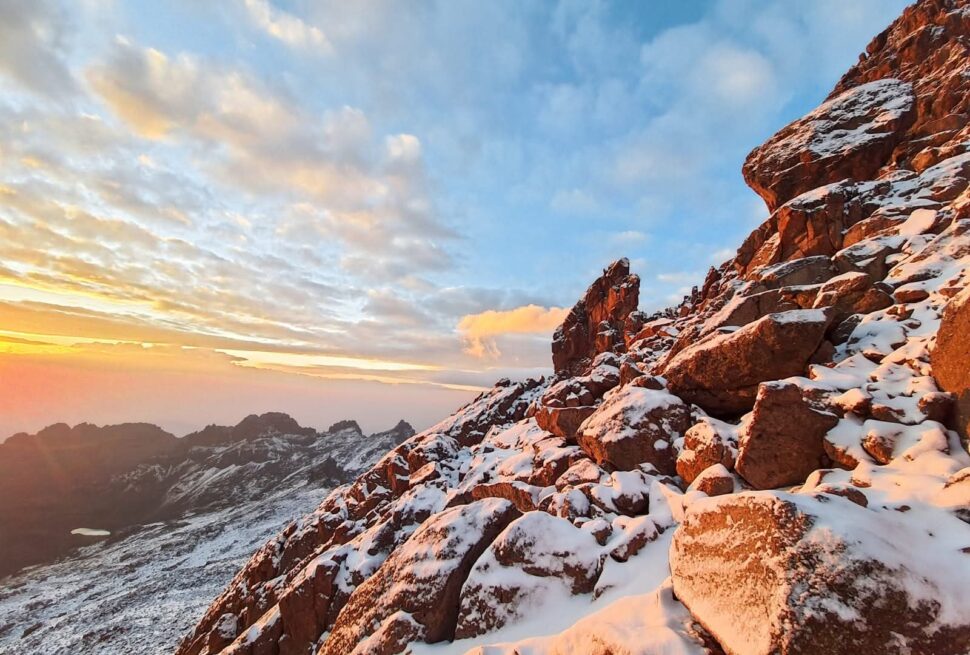
The summit attempt normally begins around midnight or shortly after. Trekkers climb through the night toward Stella Point or Gilman’s Point, depending on the route and conditions, before continuing toward Uhuru Peak at 5,895 m.
After reaching the summit, the group descends to a lower camp. The summit day is physically demanding because of the altitude, cold and long hours of trekking.
🎒 Essential Equipment
Important equipment includes:
- Waterproof hiking boots
- Warm base layers
- Fleece and insulated jacket
- Waterproof jacket and trousers
- Warm hat and gloves
- Headlamp
- Trekking poles
- Sleeping bag suitable for cold temperatures
- Water bottles/hydration system
- Sunglasses
- Sunscreen
- Backpack/daypack
- Personal first-aid supplies
- High-energy snacks
- Duffel bag for porter transport
📅 Best Time to Climb
The generally preferred trekking periods are the drier seasons, particularly:
- January–March
- June–October
Kilimanjaro can be climbed throughout much of the year, but weather conditions vary considerably, and some periods are wetter than others.
⚠️ Altitude
Altitude is the most important challenge on Kilimanjaro. A trekker can be physically fit and still experience altitude-related symptoms.
A longer itinerary generally gives the body more time to adjust to increasing elevation. Guides should monitor trekkers throughout the climb, and anyone experiencing serious altitude symptoms should be assessed promptly and, when necessary, descended.
🌍 Why Climb Kilimanjaro?
Kilimanjaro offers a unique combination of:
- Africa’s highest summit
- Dramatic volcanic landscapes
- Multiple ecological zones
- Non-technical trekking
- Sunrise from nearly 5,900 m
- A major high-altitude trekking experience