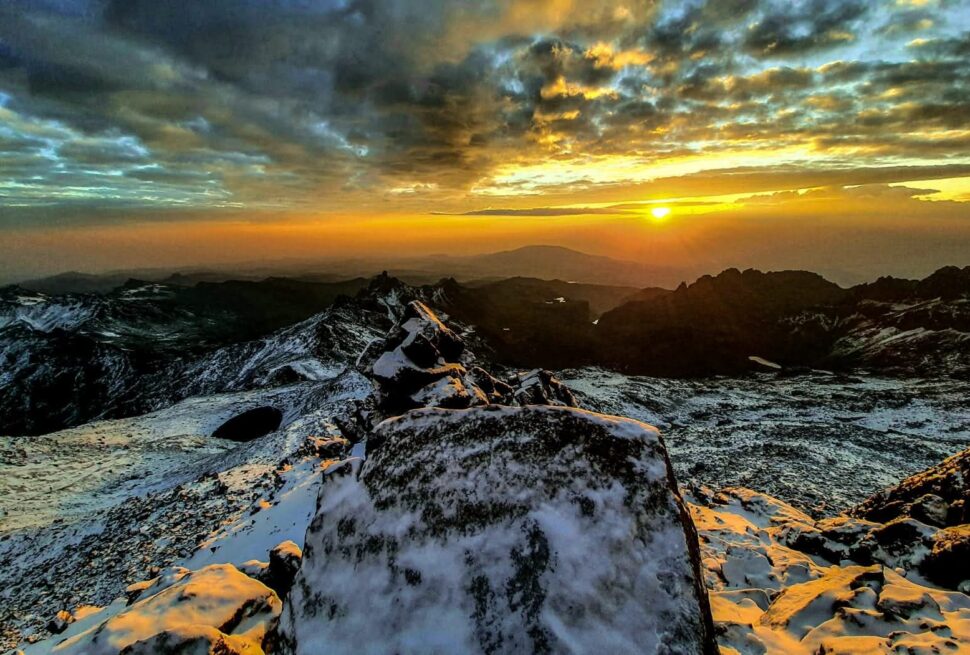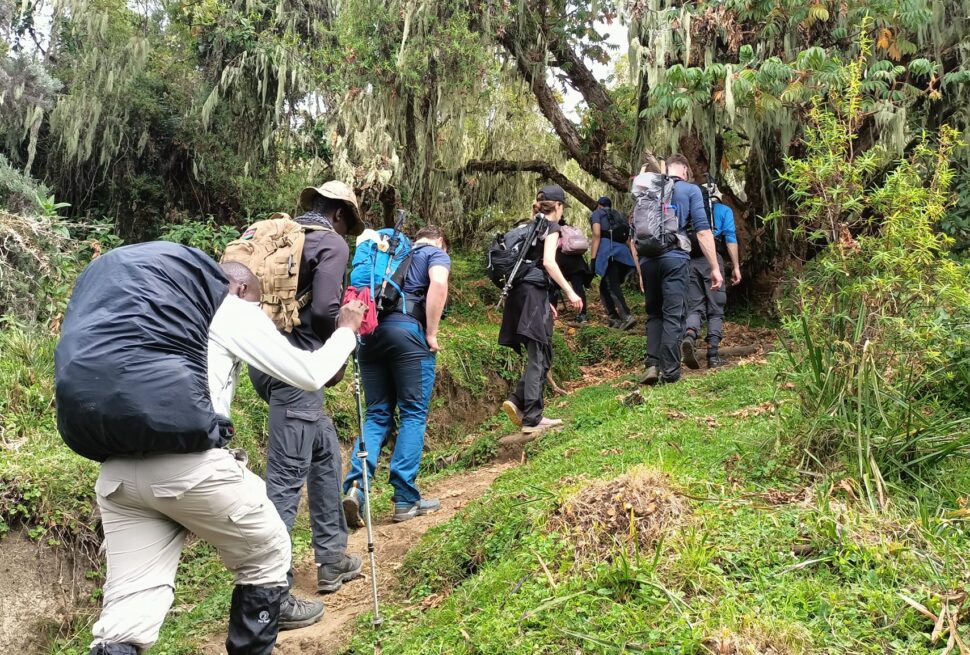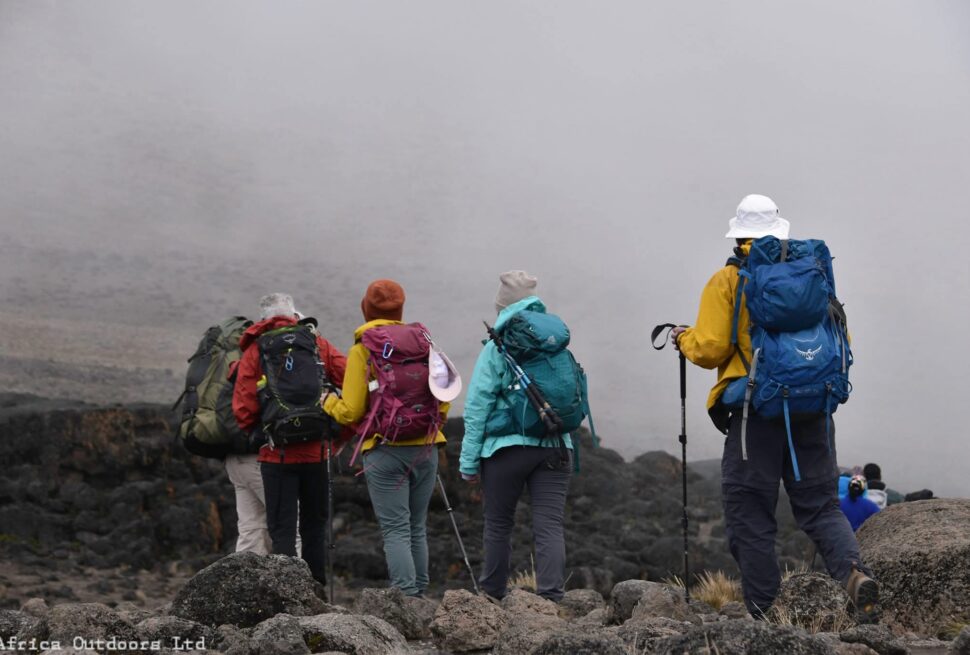
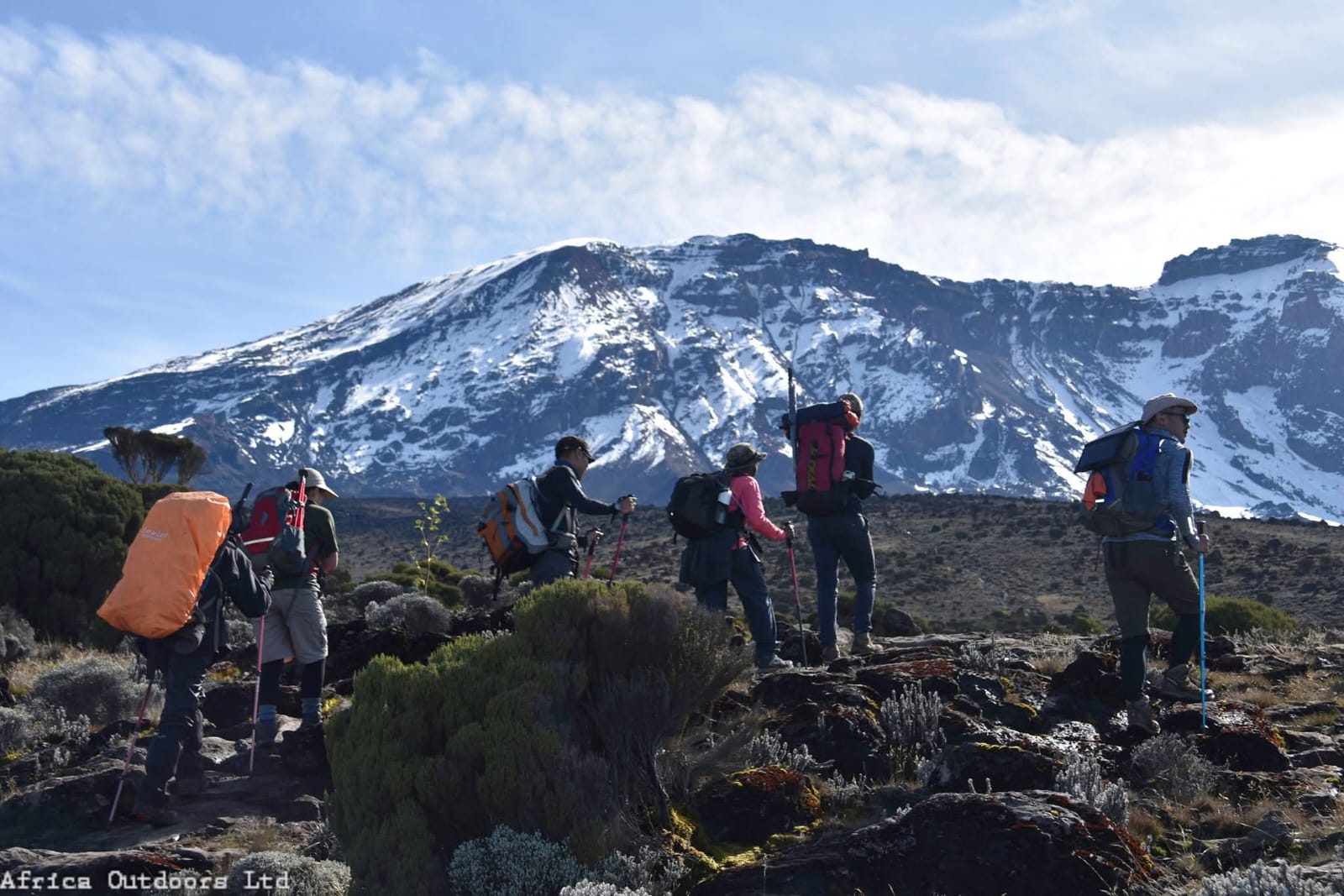
Mount Kilimanjaro is one of Africa’s most famous trekking destinations and the highest mountain in Africa, rising to 5,895 metres (19,341 feet) above sea level. The mountain can be climbed by several routes, with most treks taking between 5 and 9 days, depending on the route and itinerary. (Tanzania Parks)
One of the first questions most travellers ask is:
How much does it cost to climb Kilimanjaro?
For an international traveller, a guided Kilimanjaro climb commonly costs approximately US$2,000–US$5,000+ per person, depending on the route, number of days, group size, accommodation before and after the climb, operator, and level of service. A reputable mid-range climb commonly falls around US$2,500–US$3,500 per person.
The important thing to understand is that the price is not simply the cost of a guide and a tent. A large part of the cost comes from mandatory Tanzania National Parks fees, crew wages, food, transportation, equipment, logistics and administration.
Typical Kilimanjaro Prices
The following is a useful general guide for international travellers.
| Climb | Typical duration | Approximate price per person |
|---|---|---|
| Marangu Route | 5–6 days | US$2,000–$3,000+ |
| Machame Route | 6–7 days | US$2,200–$3,200+ |
| Rongai Route | 6–7 days | US$2,200–$3,300+ |
| Lemosho Route | 7–8 days | US$2,500–$3,500+ |
| Northern Circuit | 8–9 days | US$2,800–$4,000+ |
| Private / premium climb | 7–9 days | US$3,500–$5,000+ |
These are indicative international-market ranges rather than fixed Kili Backpackers prices. The final price depends heavily on group size, route, season, accommodation and inclusions.
Why Does Kilimanjaro Cost So Much?
Kilimanjaro is a regulated national-park trekking destination. Every climber must use a licensed operator and be accompanied by a guide; independent solo trekking is not permitted. (Tanzania Parks)
Your total price normally covers several major components:
- Tanzania National Parks fees
- Guides
- Porters
- Cooks
- Food
- Tents or mountain huts
- Camping equipment
- Transportation
- Park administration
- Rescue fees
- Operator logistics
- Pre- and post-climb accommodation, depending on the package
1. Kilimanjaro National Park Fees
Park fees are one of the largest fixed costs of climbing Kilimanjaro.
TANAPA’s published tariff lists a US$70 conservation fee per day for non-East African adults aged 16 and above. Children aged 5–15 have a lower rate, while children below five are free. (Tanzania Parks)
For camping routes, the published rate is US$50 per person per night for non-East African adults. (Tanzania Parks)
Marangu is different because climbers stay in mountain huts. The published tariff lists a US$60 hut fee per person per night for non-East African adults. (Tanzania Parks)
There is also a US$20 rescue fee per person per trip in the published tariff. (Tanzania Parks)
TANAPA notes that applicable fees are subject to VAT and that its tariff schedule should be checked when planning a climb because rates can change. (Tanzania Parks)
Example: 7-day camping route
A simplified example for an international adult could include:
- 7 days conservation fees: $490
- 6 nights camping: $300
- Rescue fee: $20
That is already approximately $810 before considering other applicable charges and the operator’s services.
This explains why a legitimate Kilimanjaro climb cannot be priced like an ordinary multi-day hiking trip.
2. Guides, Porters and Cooks
Another major part of the price is the mountain crew.
A normal organized climb may include:
- Lead guide
- Assistant guides
- Porters
- Cook
- Camp support staff
The number of porters depends on the group size, route, duration and amount of equipment being carried.
The crew carries equipment, food, tents and supplies while the climber carries a daypack with personal essentials.
A responsible operator should also ensure that the mountain crew is properly treated and paid.
3. Food on Kilimanjaro
Food is normally included in the price of a guided climb.
A typical mountain menu may include:
Breakfast
- Porridge
- Eggs
- Bread
- Fruit
- Tea or coffee
Lunch
- Sandwiches
- Rice
- Pasta
- Vegetables
- Fruit
Dinner
- Soup
- Rice or potatoes
- Pasta
- Vegetables
- Meat, chicken or another protein
- Fruit or dessert
Meals are prepared by the mountain cook and are designed to provide enough energy for long trekking days.
Travellers with dietary requirements should tell the operator before the trek.
4. Camping and Accommodation
Accommodation depends on the route.
Marangu Route
Marangu is the only major Kilimanjaro route where climbers sleep in mountain huts.
The main huts include:
- Mandara Hut
- Horombo Hut
- Kibo Hut
Machame, Lemosho, Rongai and other camping routes
Most other routes use tents at designated campsites.
A typical camping setup includes:
- Mountain tent
- Sleeping mattress
- Dining tent
- Dining tables and chairs
- Cooking equipment
- Toilet facilities depending on the package
Private toilet tents and upgraded camping arrangements can increase the price.
5. Transportation
Your Kilimanjaro package may include transportation between:
- Kilimanjaro International Airport
- Moshi
- Arusha
- Kilimanjaro gate
- Your hotel
- The mountain exit gate
Some operators include airport transfers in the package while others charge separately.
It is therefore important to check whether airport transfers and hotel transfers are included before comparing two prices.
6. Hotel Accommodation
Many Kilimanjaro packages include one or two nights in a Moshi hotel before and/or after the climb.
For example:
Day before climb: Airport pickup → Moshi hotel
Climb: 6–8 days on Kilimanjaro
After climb: Return to Moshi → hotel
The hotel category makes a difference to the total price.
A budget hostel, 3-star hotel and luxury lodge will have very different rates.
7. Route Choice Affects the Price
Not every Kilimanjaro route costs the same.
Marangu Route
Usually one of the more economical options because climbers stay in huts.
However, the shorter itineraries provide less time for acclimatization.
Machame Route
Machame is one of the most popular routes and uses camping accommodation.
A 6- or 7-day itinerary is common.
Lemosho Route
Lemosho generally takes longer and involves more days on the mountain.
The longer itinerary means additional:
- Park fees
- Camping fees
- Food
- Crew wages
- Logistics
This makes it more expensive than a shorter route.
Rongai Route
Rongai approaches Kilimanjaro from the northern side and can be attractive to travellers looking for a different approach to the mountain.
Northern Circuit
The Northern Circuit is one of the longest standard routes.
Because of the additional days, it normally costs more than shorter itineraries.
TANAPA states that climbs to Kibo generally take 5–8 days depending on the route, with longer itineraries providing more time for acclimatization. (Tanzania Parks)
8. Group Size Can Change the Price
The size of your group has a significant effect on the cost per person.
A private climb for one person can be considerably more expensive per person than joining a group of six or eight.
For example:
Solo/private climb
You may have to cover a larger share of:
- Guide costs
- Vehicle costs
- Crew costs
- Camping equipment
- Logistics
Group climb
The fixed operational costs can be shared among several climbers.
This is why group joining climbs are often less expensive.
9. Tips Are Usually Not Included
Mountain crew tips are normally not included in the advertised climb price.
At the end of the trek, climbers commonly give tips to:
- Lead guide
- Assistant guides
- Cook
- Porters
The amount depends on group size, service, trek length and local tipping practices.
Rather than treating a single figure as mandatory, travellers should ask their operator for the current recommended tipping practice before the climb.
10. Equipment Costs
Your Kilimanjaro package normally does not include your personal clothing and equipment.
You may need:
- Hiking boots
- Waterproof jacket
- Waterproof trousers
- Thermal base layers
- Fleece
- Warm down jacket
- Gloves
- Warm hat
- Sunglasses
- Headlamp
- Trekking poles
- Water bottles
- Backpack
- Sleeping bag
Some operators rent equipment such as:
- Sleeping bags
- Trekking poles
- Down jackets
- Warm clothing
Renting can significantly reduce the amount you need to purchase before your trip.
11. International Flights Are Usually Separate
Your Kilimanjaro climbing package normally does not include your international flight.
You should budget separately for:
- Flight to Tanzania
- Visa
- Travel insurance
- Airport transfers if not included
- Hotel nights outside the package
- Personal spending
Kilimanjaro International Airport (JRO) is the main international gateway for most Kilimanjaro trips. TANAPA identifies the airport as approximately 40 km from Kilimanjaro National Park. (Tanzania Parks)
12. Travel Insurance
Travel insurance should be treated as an essential part of your Kilimanjaro budget.
Look for a policy that specifically covers:
- High-altitude trekking
- Kilimanjaro up to 5,895 m
- Emergency medical treatment
- Evacuation
- Trip cancellation
- Baggage
Do not assume ordinary travel insurance covers high-altitude trekking.
Also note that the park’s rescue fee should not be confused with comprehensive travel insurance.
13. Why Some Kilimanjaro Prices Are Extremely Cheap
When comparing operators, be careful with prices that appear dramatically cheaper than the market.
A very low quote may exclude important items such as:
- Park fees
- Camping fees
- Rescue fees
- Airport transfers
- Hotel accommodation
- Crew costs
- Food
- Equipment
- Taxes
- Tips
Always ask for a complete written quotation.
A good question to ask an operator is:
“Can you please provide a complete list of everything included and excluded from the Kilimanjaro price?”
What Should a Kilimanjaro Package Include?
Before paying a deposit, check whether the quotation includes:
Usually included
- Park entry/conservation fees
- Camping or hut fees
- Rescue fee
- Professional mountain guide
- Porters
- Cook
- Mountain meals
- Drinking water
- Tents
- Sleeping mats
- Park permits
- Mountain transfers
- Government taxes applicable to the package
Usually excluded
- International flights
- Tanzania visa
- Travel insurance
- Personal hiking equipment
- Sleeping bag, if not provided
- Tips
- Personal drinks
- Personal expenses
- Hotel nights outside the agreed itinerary
- Helicopter evacuation or medical repatriation where not covered by insurance
The exact inclusions vary by operator, so always check the quotation.
How Much Money Should You Budget for Kilimanjaro?
For an international traveller, a realistic overall budget could look like this:
| Expense | Approximate budget |
|---|---|
| Kilimanjaro climb | $2,000–$5,000+ |
| International flights | Varies greatly |
| Tanzania visa | Depends on nationality |
| Travel insurance | Varies |
| Tips | Budget separately |
| Personal equipment | $200–$1,000+ |
| Extra hotel nights | Varies |
| Personal expenses | Varies |
For many travellers, budgeting around US$2,500–$3,500 for the climb itself provides a useful starting point for a quality mid-range trek, while premium/private trips can cost substantially more.
Is a Cheap Kilimanjaro Climb Worth It?
The cheapest quotation is not necessarily the best way to compare Kilimanjaro operators.
Instead, compare:
Price + route + number of days + crew + safety arrangements + food + accommodation + equipment + transfers + reviews + inclusions.
A 5-day climb and an 8-day climb should not be compared simply by looking at the total price.
The longer trek has additional park fees, food, crew wages and accommodation costs, but it can also provide more time for acclimatization.
How Many Days Should You Spend on Kilimanjaro?
Kilimanjaro can technically be climbed in a relatively short itinerary, but spending more days on the mountain allows more time for acclimatization.
For travellers who have flexibility, 7–9 day itineraries are commonly considered when planning a route with more acclimatization time.
The right itinerary depends on:
- Previous trekking experience
- Fitness
- Altitude experience
- Route
- Available time
- Budget
Do not choose a route solely because it is the cheapest.
Example Kilimanjaro Budget
7-Day Machame Route
A typical international traveller might budget:
Kilimanjaro package: $2,200–$3,200+
Travel insurance: Additional
International flights: Additional
Visa: Additional
Tips: Additional
Personal equipment: Additional
Extra hotel nights: Additional if required
The exact quotation depends on the operator, group size, season and inclusions.
Kilimanjaro Cost FAQs
How much does it cost to climb Kilimanjaro?
A guided international climb commonly costs around $2,000–$5,000+ per person, with many mid-range trips falling around $2,500–$3,500.
What is the cheapest Kilimanjaro route?
Marangu is often marketed as one of the more economical routes because it uses mountain huts, but the total price depends on itinerary length, operator and inclusions.
How much are Kilimanjaro park fees?
For a non-East African adult, TANAPA’s published tariff lists a $70 daily conservation fee, plus camping or hut fees and a rescue fee. (Tanzania Parks)
Is food included in the Kilimanjaro price?
Food is normally included in a full guided climbing package, but you should confirm this with your operator.
Are tips included?
Tips are generally separate from the advertised climbing price.
Do I need a guide?
Yes. Kilimanjaro climbs must be conducted with a licensed operator and guide; independent solo trekking is not permitted. (Tanzania Parks)
Is travel insurance necessary?
Yes. Climbers should have appropriate travel insurance covering high-altitude trekking and emergency evacuation.
Can beginners climb Kilimanjaro?
Yes, many people with no previous high-altitude climbing experience climb Kilimanjaro. However, being a beginner does not mean the mountain is easy. Fitness, preparation, pacing and acclimatization are important.
Is Kilimanjaro worth the cost?
The answer depends on your travel priorities and budget. The total cost pays for much more than simply walking up a mountain: it covers national-park fees, mountain crew, food, accommodation, logistics, permits and safety arrangements.
Book Your Kilimanjaro Adventure
At Kili Backpackers, we organize guided Kilimanjaro climbs from Moshi using several of the mountain’s established routes.
Popular options include:
- Machame Route
- Lemosho Route
- Marangu Route
- Rongai Route
- Northern Circuit
We can arrange private climbs and group-joining climbs, depending on availability.
Contact us with your preferred dates, number of climbers and preferred route, and we can prepare a detailed quotation showing what is included and excluded.
Start planning your Kilimanjaro climb today.