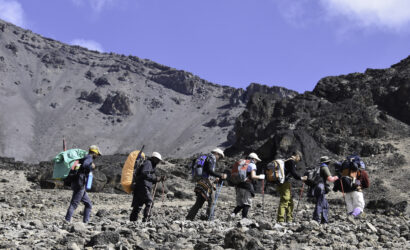
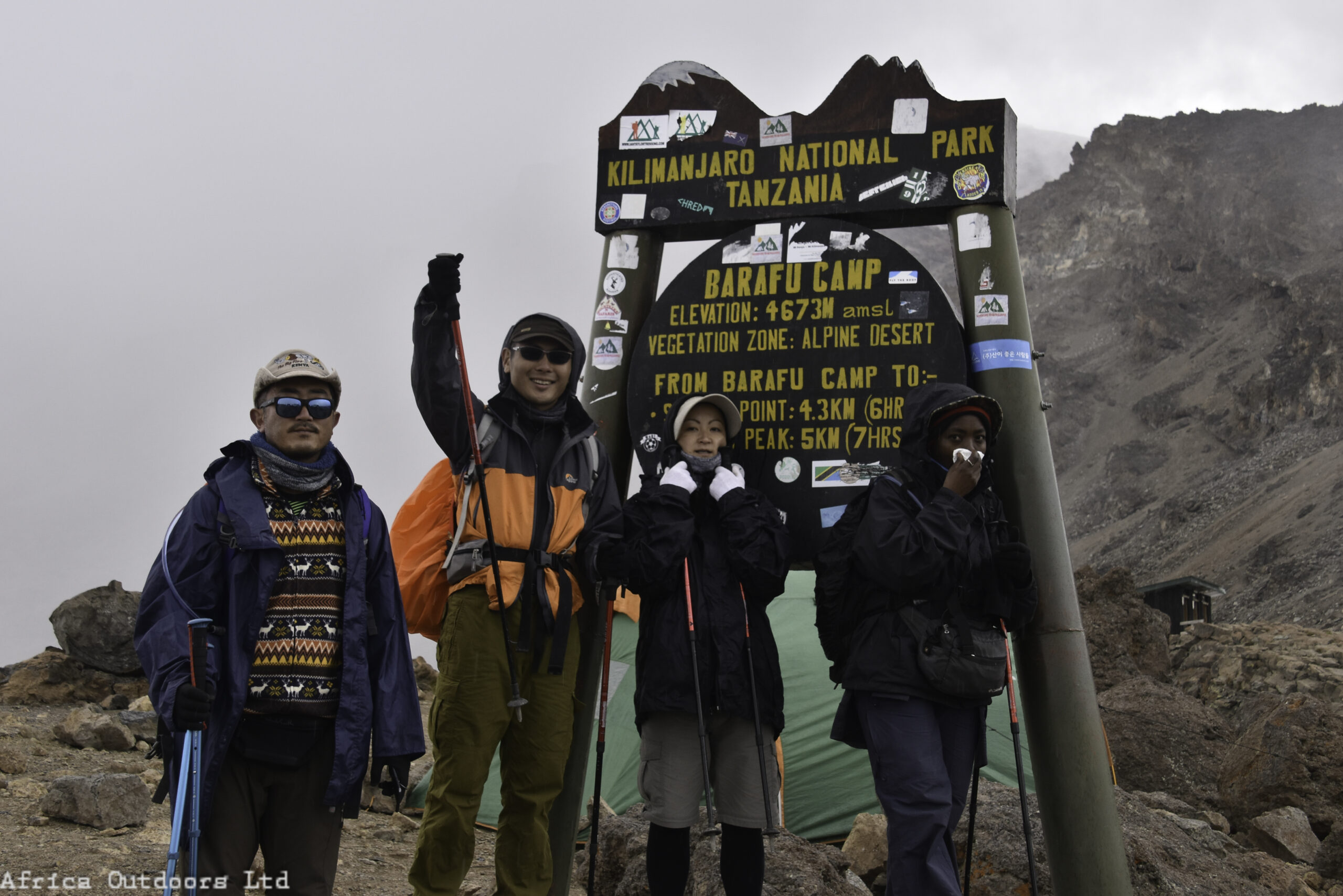
The 8-day Lemosho Route is a long-duration Kilimanjaro itinerary that approaches the mountain from the western side before crossing toward the Southern Circuit. It combines rainforest, moorland, alpine desert and the high summit zone, with several days for gradual acclimatization before the summit attempt.
Lemosho Overview
Accommodation on the Mountain
The 8-day Lemosho itinerary is normally a camping route.
You will sleep in mountain tents at:
- Mti Mkubwa Camp
- Shira 1 Camp
- Shira 2 Camp
- Barranco Camp
- Karanga Camp
- Barafu Camp
- Mweka Camp
The exact camp allocation can occasionally change because of park regulations, availability, weather or operational considerations.
Lemosho Route
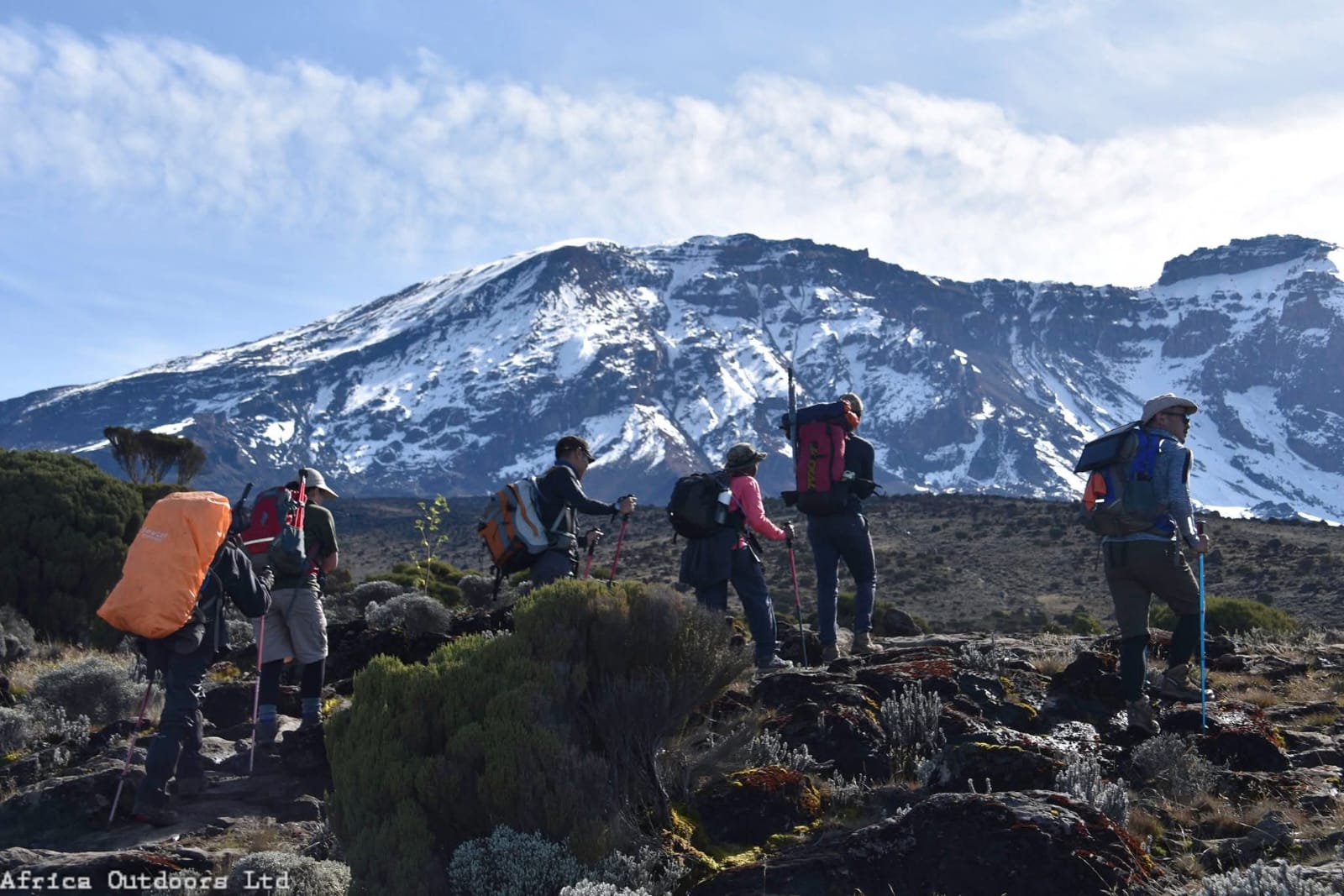
The 8-Day Lemosho Route is a scenic approach to Mount Kilimanjaro from the western side. It passes through rainforest, the Shira Plateau, Lava Tower, Barranco Wall, Karanga and Barafu before the summit attempt and descent through Mweka.
The 8-day version gives trekkers more time to gain altitude gradually than shorter Lemosho itineraries. A key acclimatization day climbs to around 4,600 m at Lava Tower before descending to Barranco Camp at around 3,900 m.
| Day | Route | Altitude | Distance | Hiking Time |
|---|---|---|---|---|
| 1 | Londorossi Gate → Mti Mkubwa | 2,100 → ~2,650 m | ~6–7 km | 3–4 hrs |
| 2 | Mti Mkubwa → Shira 1 | ~2,650 → 3,610 m | ~7–8 km | 4–6 hrs |
| 3 | Shira 1 → Shira 2 | 3,610 → 3,850 m | ~7–10 km | 4–5 hrs |
| 4 | Shira 2 → Lava Tower → Barranco | 3,850 → 4,600 → 3,900 m | ~10 km | 6–8 hrs |
| 5 | Barranco → Karanga | 3,900 → ~4,000 m | ~5–6 km | 4–5 hrs |
| 6 | Karanga → Barafu | ~4,000 → 4,673 m | ~4 km | 3–4 hrs |
| 7 | Barafu → Uhuru Peak → Mweka | 4,673 → 5,895 → 3,100 m | ~13–18 km | 12–16 hrs |
| 8 | Mweka → Mweka Gate → Moshi | 3,100 → 1,640 m | ~10 km | 3–5 hrs |
Starting altitude: ~2,100 m
Camp altitude: ~2,650–2,800 m
Distance: ~6–7 km
Hiking: 3–4 hours
Habitat: Montane rainforest
Overnight: Mti Mkubwa Camp
After breakfast, depart from Moshi and drive towards the western side of Kilimanjaro.
At Londorossi Gate, complete registration and park entry procedures. Depending on park and road arrangements, the vehicle continues toward the Lemosho trailhead.
The trek begins in the lush montane rainforest. The first day's walk is relatively short, allowing trekkers to settle into the mountain environment.
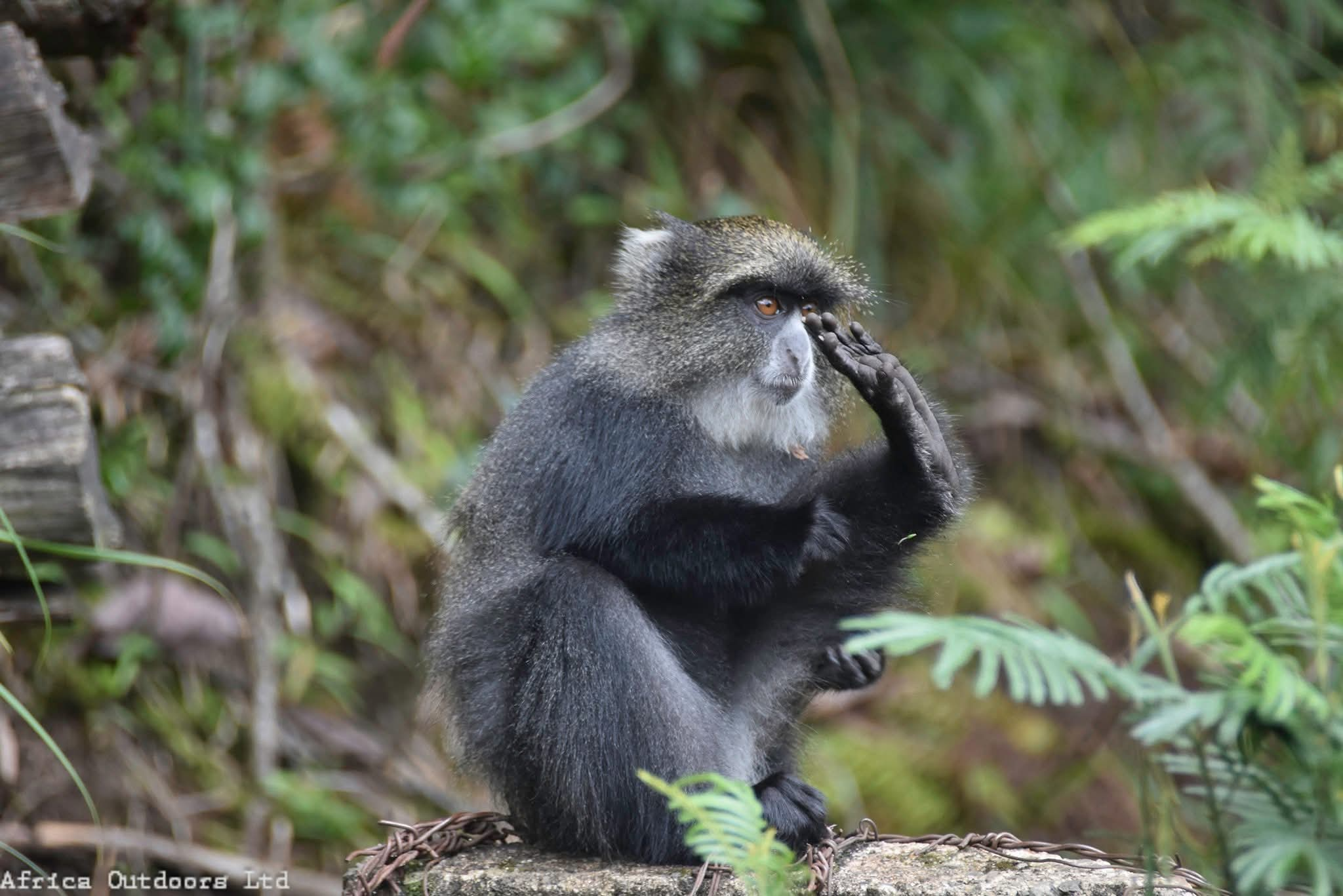
The forest is home to a variety of vegetation and birdlife, and there is a possibility of seeing monkeys and other forest wildlife.
After approximately 3–4 hours, arrive at Mti Mkubwa Camp, meaning "Big Tree Camp."
The mountain crew prepares dinner while you settle into your tent.
Overnight: Mti Mkubwa Camp.
Altitude: ~2,650 m → 3,610 m
Distance: ~7–8 km
Hiking: 4–6 hours
Habitat: Rainforest → heath and moorland
Overnight: Shira 1 Camp
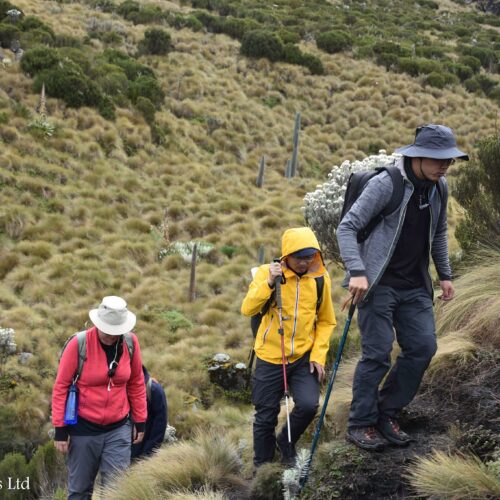
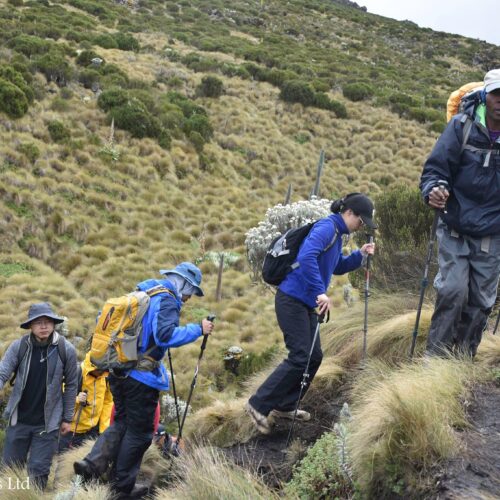
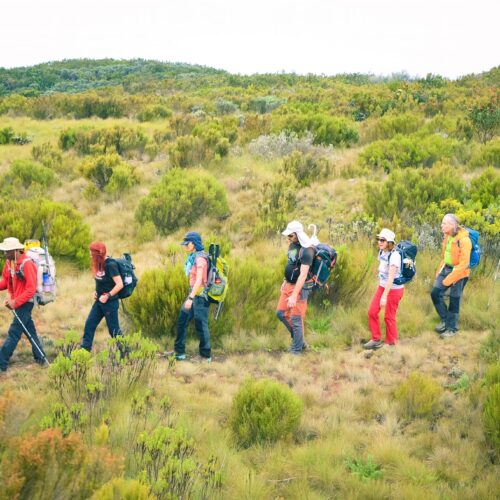
After breakfast, leave the rainforest behind and gradually climb toward the Shira Plateau.
The vegetation becomes shorter as you enter the heath and moorland zone.
This is a beautiful section of the Lemosho Route because the landscape changes dramatically during the day.
You may enjoy views of:
- Kibo Peak
- Shira Ridge
- Mount Meru
- Open moorland
- Giant heathers
- Volcanic formations
The pace remains slow and steady, with regular breaks for water and rest.
Arrive at Shira 1 Camp in the afternoon.
Dinner and overnight at camp.
Altitude: 3,610 m → ~3,850 m
Distance: ~7–10 km
Hiking: 4–5 hours
Habitat: Moorland / high-altitude desert
Overnight: Shira 2 Camp
Today's hike crosses the magnificent Shira Plateau.
Compared with the previous day, the trail is generally more gradual, giving your body additional time to adapt to altitude.
Kibo becomes increasingly impressive as you approach the southern side of the mountain.
Depending on weather and group energy, your guide may arrange a short acclimatization walk around the Shira area before returning to camp.
The afternoon should be relaxed. Drink plenty of water, eat well and prepare for the higher elevations ahead.
Overnight: Shira 2 Camp
The main acclimatization day
Altitude: ~3,850 m → ~4,600 m → ~3,900 m
Distance: ~10 km
Hiking: 6–8 hours
Habitat: Alpine desert
Overnight: Barranco Camp
This is one of the most important days of the trek.
After breakfast, begin climbing gradually from Shira Plateau toward Lava Tower, reaching approximately 4,600 m.
The landscape becomes increasingly rocky and barren.
The route provides an important "climb high, sleep low" acclimatization profile: you reach a considerably higher elevation during the day before descending to Barranco for the night.
At Lava Tower, take a break and have lunch.
After lunch, begin the descent toward Barranco Valley.
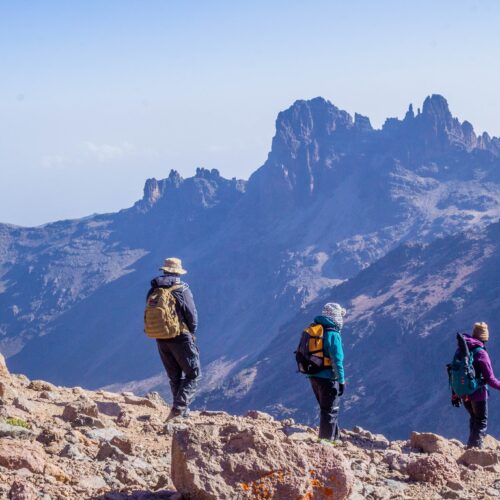
The landscape changes again, with dramatic volcanic formations and giant groundsels creating one of the most recognizable Kilimanjaro landscapes.
Eventually arrive at Barranco Camp, situated beneath the imposing Barranco Wall.
Overnight: Barranco Camp.
Altitude: ~3,900 m → ~4,000 m
Distance: ~5–6 km
Hiking: 4–5 hours
Habitat: Alpine desert
Overnight: Karanga Camp
After breakfast, begin the day with the famous Barranco Wall.
Although the wall looks intimidating from camp, it is a hiking/scrambling section rather than a technical rock climb. No climbing equipment is normally required.
Your guide assists the group through the steeper sections.
At the top of the wall, enjoy spectacular views back toward Barranco Valley.
The route then continues across a series of ridges and valleys toward Karanga Valley.
This is a relatively short day, allowing time to rest and further acclimatize.
Arrive at Karanga Camp in the afternoon.
Overnight: Karanga Camp.
Altitude: ~4,000 m → ~4,673 m
Distance: ~4 km
Hiking: 3–4 hours
Habitat: Alpine desert
Overnight: Barafu Camp
Today is another relatively short but important day.
The trail climbs steadily across the alpine desert toward Barafu Camp, the main high camp used for the summit attempt.
As you approach Barafu, vegetation becomes increasingly sparse and the environment more exposed.
Arrive at camp around early afternoon.
After lunch:
- Rest
- Hydrate
- Organize summit clothing
- Prepare your headlamp
- Prepare snacks
- Check trekking poles
- Pack only what you need for summit night
Dinner is normally served early.
Your guide gives a briefing about the summit attempt before you go to bed.
The summit attempt normally begins around midnight.
Overnight: Barafu Camp.
Summit Day
Starting altitude: ~4,673 m
Uhuru Peak: 5,895 m
Mweka Camp: ~3,100 m
Total hiking: approximately 12–16 hours
This is the longest and most demanding day of the trek.
11:00 PM–Midnight – Wake Up
Wake up, have a light snack and hot drink, dress in your warmest clothing and prepare for the summit.
The summit attempt usually begins around midnight.
Barafu → Stella Point
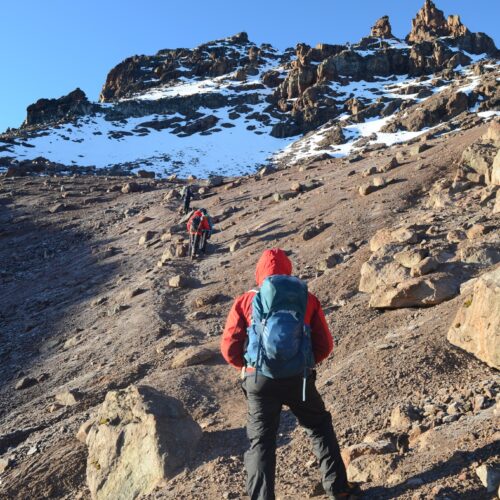
Begin climbing slowly through the darkness.
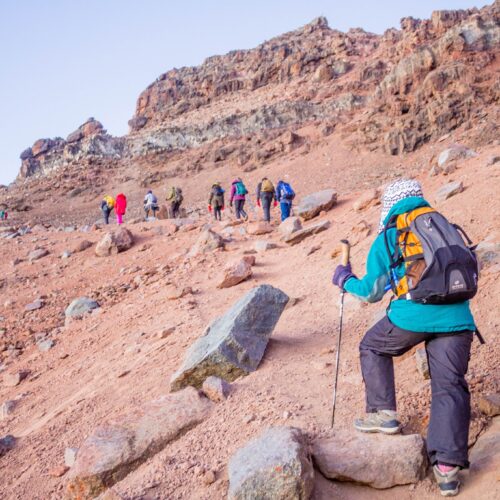
The trail becomes steep and consists largely of loose volcanic scree.
The guide establishes a slow pace, often referred to as pole pole, meaning "slowly, slowly."
After several hours of climbing, reach Stella Point, approximately 5,756 m, on the crater rim.
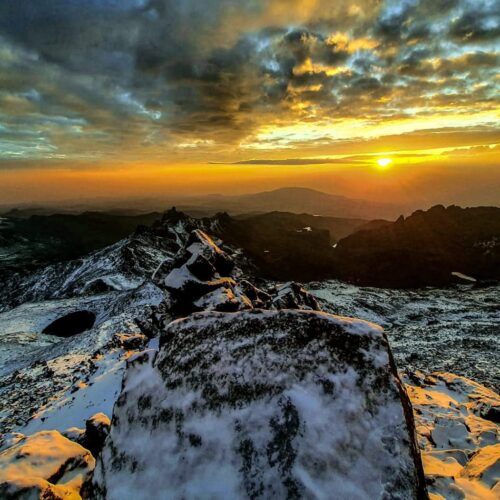
Depending on weather and pace, you may arrive around sunrise.
Stella Point → Uhuru Peak
From Stella Point, continue around the crater rim toward the summit.
The final section is less steep but the altitude makes every step demanding.
Eventually reach:
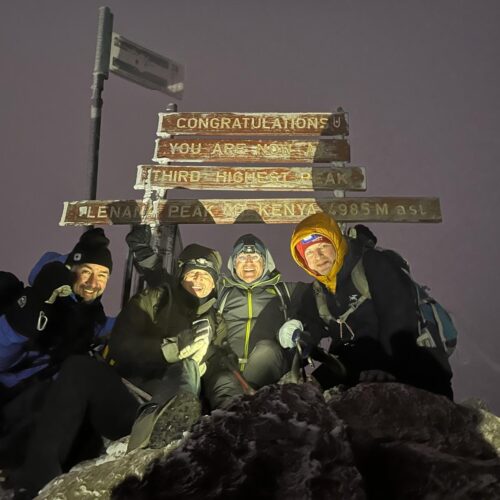
UHURU PEAK – 5,895 METRES
This is the highest point in Africa.
Take photographs and enjoy the summit experience, while avoiding prolonged exposure at this altitude.
Altitude: ~3,100 m → ~1,640 m
Distance: ~10 km
Hiking: 3–5 hours
Habitat: Montane rainforest
After breakfast, begin the final descent through the lush rainforest.
The trail can be muddy and slippery, especially during rainy periods, so trekking poles and appropriate footwear are useful.
After several hours, arrive at Mweka Gate.
Complete the park exit procedures and collect your Kilimanjaro summit certificate, where applicable.
Your vehicle then transfers you back to Moshi.
End of the 8-Day Lemosho Route.
Important Altitude & Summit Information
The summit reaches 5,895 m, so altitude-related illness is a genuine risk. No itinerary can guarantee that a climber will reach Uhuru Peak. The guide should monitor the group throughout the trek, and a descent should take priority if a climber develops serious altitude-related symptoms.
The 8-day itinerary provides a gradual approach, including the important Lava Tower acclimatization day and shorter stages before the summit attempt.
Includes
- Kilimanjaro National Park entry fees
- Camping fees
- Professional mountain guide
- Assistant guides where required
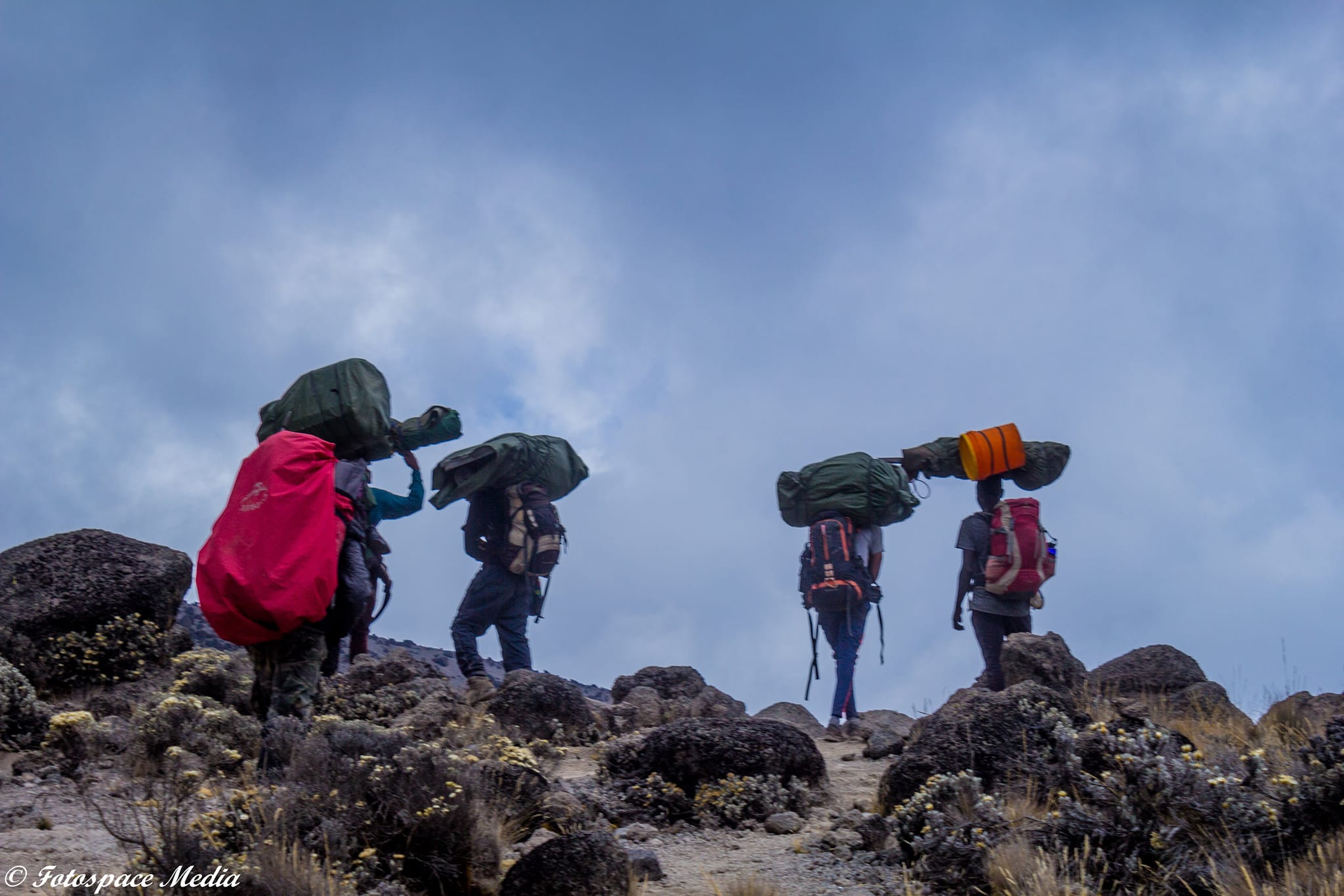
- Porters
- Mountain cook
- Mountain tents
- Sleeping mats
- Meals during the trek
- Drinking water during the trek
- Park and applicable government fees
- Transfers to and from the mountain gate
- Summit certificate
- Rescue arrangements included within the operator's stated package
Excludes
- International flights
- Tanzania visa
- Travel insurance
- Mandatory Tanzania inbound travel insurance, where applicable
- Tips for guides, porters and cooks
- Personal hiking equipment
- Sleeping bag unless specifically included
- Alcohol and soft drinks
- Personal expenses
- Hotel accommodation before or after the climb unless stated
- Medical/evacuation costs beyond the stated rescue arrangements
- Anything not specifically listed under inclusions